
Storm Debris Removal
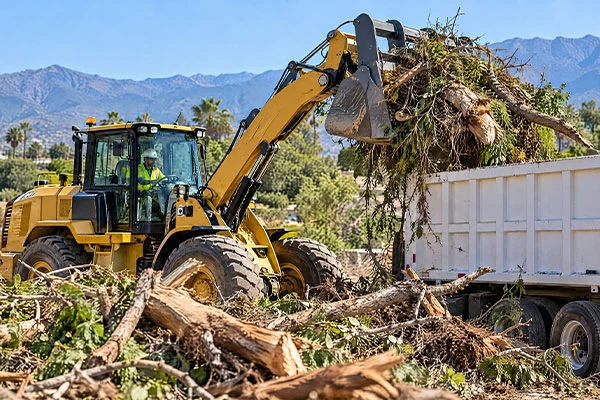
Storm debris removal involves gathering, loading, transporting, and properly disposing of unwanted materials generated or displaced by severe weather.
Storm Debris Removal
A fire can change everything in a matter of moments. Whether it affects a single room, an entire building, or a property impacted by a Southern California wildfire, the aftermath can feel overwhelming. Beyond the visible damage, property owners may face smoke contamination, soot residue, water damage from firefighting efforts, structural concerns, and piles of damaged materials that need to be addressed before repairs can begin. At United Demolition and Hauling, we understand that recovering from a fire is about more than cleaning up a damaged property. It's about helping homeowners, families, and business owners take the next steps toward restoring their spaces and moving forward.
We provide practical demolition, debris removal, hauling, and site preparation solutions that can support fire damage recovery. Depending on the project, additional restoration work may involve qualified specialists for structural assessment, smoke and soot remediation, drying, odor treatment, and reconstruction. From residential properties to commercial buildings and fire-affected land, our focus is on helping property owners understand the work ahead and begin the recovery process with confidence.
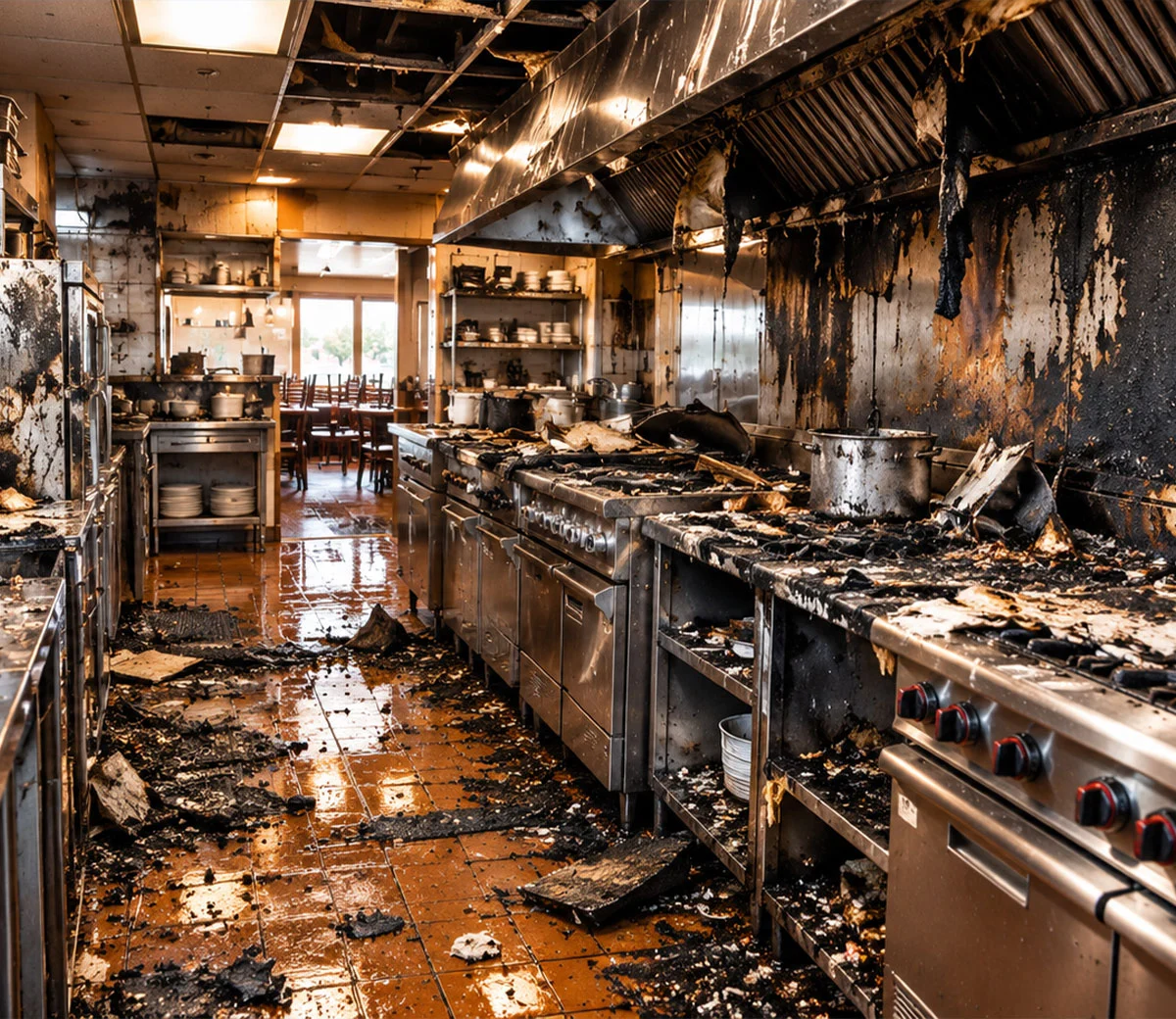
The fire may be extinguished, but the damage doesn't necessarily stop there. Smoke and soot can spread far beyond the area where flames were present. Water used to extinguish the fire may saturate walls, flooring, insulation, and other building materials. Damaged roofs, broken windows, and exposed openings can leave a property vulnerable to additional weather-related damage. Meanwhile, charred materials, fallen debris, and potentially unstable structural components can make the site unsafe to enter.
Fire damage restoration is a coordinated process that may include securing the property, assessing damage, removing contaminated materials, addressing moisture and smoke damage, and preparing for repairs. At United Demolition and Hauling, we recognize that every fire creates different conditions. Our goal is to help property owners identify practical cleanup, demolition, and site preparation needs while recognizing when specialized restoration professionals are required.
Fire-Damaged Debris Removal
Fires can leave behind charred wood, damaged building materials, roofing debris, broken fixtures, and other unwanted materials. Once the site has been assessed and authorized for cleanup, we help remove approved debris and prepare affected areas for additional work.
Selective Demolition of Damaged Materials
Some structures may require removal of fire-damaged walls, flooring, roofing components, or other materials that cannot be safely restored. Selective demolition should follow the recommendations of qualified professionals and applicable structural requirements.
Fire-Damaged Structure Demolition
When a building has sustained extensive damage and demolition is determined to be necessary, the project may require controlled structural removal, permits, utility coordination, and appropriate debris handling. We can discuss demolition-related needs within the company's authorized scope of work.
Smoke- and Soot-Affected Material Removal
Certain porous or heavily damaged materials may not be suitable for cleaning and reuse. Where identified by a qualified restoration specialist, these materials may need to be removed before the property can be properly restored.
Wildfire Debris and Property Clearing
Wildfires can leave damaged vegetation, fallen branches, burned materials, and other debris across outdoor areas. We help evaluate suitable clearing and hauling needs after the property has been released for authorized work and hazardous-material requirements have been addressed.
Site Preparation for Repairs and Rebuilding
Once damaged materials have been removed, additional cleanup, grading, or site preparation may be needed. We help prepare designated areas for the next phase of recovery according to the project requirements.
Not all fire damage is immediately visible.
A property may appear relatively intact from the outside while containing extensive smoke contamination or hidden structural damage.
Understanding the different forms of damage helps determine the appropriate recovery approach.
Direct Fire and Heat Damage
Flames and intense heat can damage framing, roofing, drywall, insulation, flooring, and other building components.
Even materials that haven't burned completely may have experienced temperatures that affect their strength or performance.
Qualified professionals should determine which structural elements can remain and which require repair or removal.
Smoke and Soot Damage
Smoke can travel through openings, ventilation systems, and connected rooms.
Soot residue may settle on walls, ceilings, furniture, and other surfaces. Depending on the fire, residues can contain hazardous substances and may require specialized cleaning methods.
Water Damage
Water used during firefighting can soak building materials and collect in concealed spaces.
Prompt moisture assessment and appropriate drying are important because prolonged dampness can lead to additional deterioration and microbial growth.
Odor Contamination
Smoke odors can persist in porous materials and concealed areas long after the fire has been extinguished.
Professional odor remediation may require identifying and treating the sources rather than simply masking the smell.
At United Demolition and Hauling, we understand that effective recovery begins with identifying the different types of damage and assigning the appropriate work to qualified professionals.
Southern California properties face a combination of residential fire risks and seasonal wildfire exposure.
From established neighborhoods and commercial districts to rural homes near canyons and foothills, every location presents different recovery considerations.
Wildfire-Affected Properties
Properties near natural vegetation may experience direct flame damage, windblown embers, radiant heat, and extensive smoke exposure.
Wildfire debris can contain hazardous substances, including asbestos, heavy metals, damaged batteries, and other contaminants.
Cleanup must follow applicable government clearance procedures, environmental requirements, and debris removal rules.
Santa Ana Wind Conditions
Strong, dry winds can contribute to rapidly changing fire conditions and spread ash and debris across surrounding properties.
Even structures that escape direct flames may experience smoke or ash contamination requiring professional evaluation.
Hillside and Rural Properties
Fire-damaged properties on slopes may face additional challenges involving access, unstable trees, erosion, and post-fire runoff.
Extensive ground disturbance may require special planning to avoid increasing erosion or affecting drainage.
Urban and Residential Properties
Homes and commercial buildings in developed neighborhoods may have limited equipment access, neighboring structures, shared property boundaries, and additional safety considerations.
At United Demolition and Hauling, we recognize that the location and condition of the property play an important role in determining the appropriate cleanup approach.
Some fire-damaged materials can be repaired or restored. Others may need to be removed.
When a building has experienced significant fire damage, qualified inspectors, engineers, or restoration professionals may determine that selective or complete demolition is necessary.
This process requires careful planning.
Before demolition begins, the project may require structural evaluation, utility disconnection, hazardous-material surveys, permits, and approval from the appropriate authorities.
The removal approach should account for the condition of the remaining structure, neighboring properties, access limitations, and debris handling requirements.
At United Demolition and Hauling, demolition and hauling services can play an important role in preparing a fire-damaged site for its next phase.
The objective is to remove approved damaged materials while supporting an organized and appropriately managed recovery process.
One of the most challenging aspects of fire recovery is that smoke damage often extends beyond visibly burned areas.
Soot can settle on surfaces throughout a building, while smoke particles may enter porous materials and ventilation systems.
Improper cleaning can spread residues or create additional contamination.
Professional smoke and soot remediation typically involves assessing affected materials, using appropriate containment and protective measures, and selecting cleaning methods suited to the contamination.
In some cases, damaged materials must be removed rather than cleaned.
Odor treatment may also require specialized equipment and techniques.
These activities should be performed by appropriately trained restoration professionals. United Demolition and Hauling can coordinate its demolition and material-removal scope with the broader restoration plan where appropriate.
Firefighting efforts are essential for extinguishing flames, but the water used during suppression can create additional property damage.
Wet insulation, saturated drywall, damaged flooring, and moisture trapped inside wall cavities may require attention.
Before reconstruction begins, affected areas should be assessed for moisture and dried according to appropriate restoration procedures.
In some situations, water-damaged materials may need to be removed to allow access for drying and repairs.
This creates an important connection between fire recovery, selective demolition, and water damage restoration.
Coordinating these activities helps avoid covering or rebuilding over unresolved moisture problems.
Southern California wildfires can leave behind debris that looks similar to ordinary demolition waste but may contain hazardous contaminants.
Ash and burned structural materials can contain asbestos, lead, heavy metals, and other substances that require special handling.
Damaged vehicles, batteries, propane cylinders, and other household hazardous materials can create additional risks.
For this reason, wildfire debris removal should never be treated as routine property cleanup without first confirming applicable requirements.
In California, wildfire recovery may involve government-led hazardous-material removal and debris clearance programs.
Property owners should verify whether their parcel has been released for private cleanup and whether permits, testing, documentation, or approved disposal arrangements are required.
United Demolition and Hauling can discuss appropriate site clearing and hauling needs once the required assessments, authorizations, and hazardous-material procedures have been completed.
Every fire creates different conditions, but recovery generally involves several important stages.
1. Confirming the Property Is Safe to Access
The fire department or other appropriate authority must determine when access is permitted. Unstable structures, damaged utilities, and hazardous materials may require specialized attention before cleanup begins.
2. Assessing and Documenting the Damage
Property owners, insurers, qualified restoration professionals, and other specialists identify the extent of fire, smoke, water, and structural damage.
3. Securing the Property
Where needed, qualified providers arrange board-up, temporary weather protection, and appropriate access controls to help limit further damage.
4. Developing a Recovery Plan
The project scope identifies which materials can be restored, which require removal, and what additional work is necessary.
5. Removing Approved Damaged Materials
Authorized demolition and debris removal activities are performed using methods appropriate to the site and identified hazards.
6. Completing Specialized Restoration Work
Qualified restoration professionals address applicable drying, soot cleaning, contamination control, and odor remediation requirements.
7. Preparing for Repairs or Reconstruction
Once cleanup and required assessments are complete, the property can move toward approved repairs, rebuilding, or other improvements.
The exact sequence depends on the type of fire, property conditions, regulatory requirements, and the work assigned to each contractor.
Residential and commercial fires can create very different recovery needs.
A residential fire may affect a kitchen, garage, bedroom, or entire home.
Commercial fires may involve offices, warehouses, retail spaces, or other facilities containing specialized equipment and building systems.
Both situations require careful evaluation before damaged materials are disturbed or removed.
For homeowners, the priority is often understanding what can be saved and how to begin rebuilding.
For business owners, access restrictions, operational interruptions, and the condition of equipment or inventory may add complexity.
At United Demolition and Hauling, we focus on helping property owners address the demolition, debris handling, and site preparation aspects of recovery while coordinating with other qualified professionals as needed.
Fire damage recovery frequently involves an insurance claim.
Before extensive cleanup or demolition begins, property owners should contact their insurer and document the damage when it is safe to do so.
Photographs, inventories, inspection reports, and written estimates may help establish the scope of the loss.
Emergency measures may sometimes be necessary to protect the property from additional damage, but nonemergency demolition should be coordinated with the appropriate approvals.
Property owners should also keep records of work performed, materials removed, and disposal documentation where applicable.
United Demolition and Hauling can discuss the information needed to define its proposed scope of work, while insurance coverage and claim decisions remain the responsibility of the insurer and policyholder.
Recovering from a fire can be a lengthy process.
There may be important decisions about cleanup, demolition, restoration, permits, insurance, and rebuilding.
For families, the process can be especially emotional when a damaged property holds years of memories.
For businesses, the challenge may include interrupted operations and uncertainty about the future.
At United Demolition and Hauling, we believe property owners deserve clear communication, practical guidance about the work being proposed, and respect for the circumstances they're facing.
Our goal is to help make the demolition and cleanup portion of recovery more manageable so the next phase can begin.
A fire may leave behind damaged walls, scattered debris, and uncertainty about what comes next.
But with careful planning and the right professionals involved, recovery can move forward one step at a time.
At United Demolition and Hauling, we help Southern California homeowners, property managers, and businesses address fire-related demolition, debris removal, hauling, and site preparation needs.
Whether you're dealing with a localized structure fire, a severely damaged building, or an authorized wildfire cleanup project, we're ready to discuss the work involved.
From Damage to Recovery. From Cleanup to New Beginnings.
Contact United Demolition and Hauling today to discuss your fire damage cleanup and demolition needs and request an estimate.
Together, we'll help clear the way for what's next.
Demolition cleanup, debris removal, and site clearing for residential and commercial properties.
Storm debris removal involves gathering, loading, transporting, and properly disposing of unwanted materials generated or displaced by severe weather.
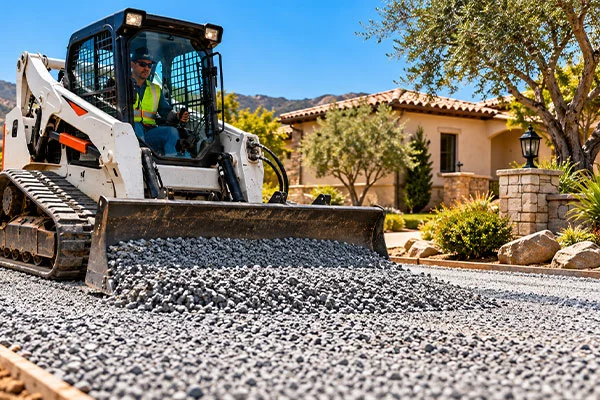
Whether you're preparing a driveway, improving a private road, leveling an uneven property, or getting a construction site ready for its next phase, the way materials are distributed across the ground makes a difference.
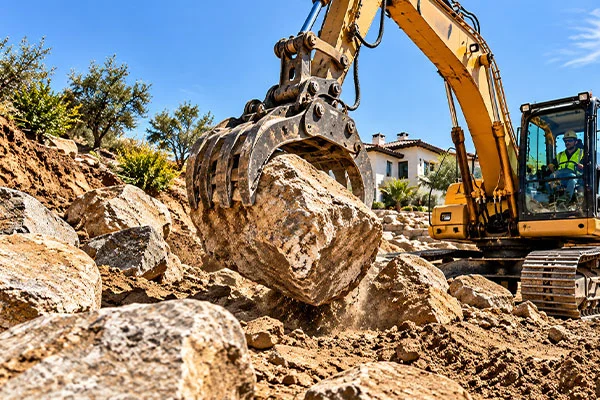
Sometimes the biggest obstacle standing between you and your property improvement plans is exactly that—a big obstacle.
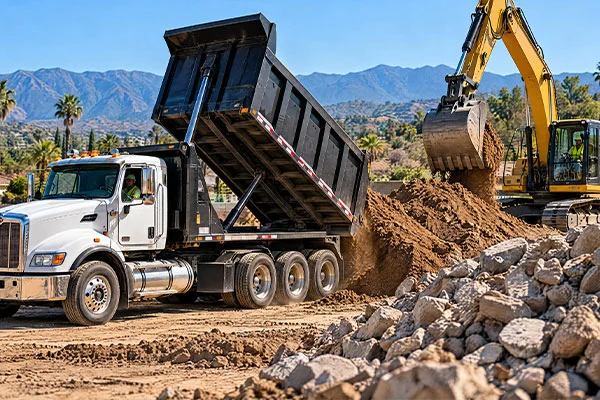
Every construction, demolition, and property improvement project depends on getting the right materials where they need to go—and removing the ones that no longer belong
With a strong commitment to safety, efficiency, and environmental resposibility, we have establishe ourselves as a trusted parter in the construction and renovation industry.
When it comes to your important project, rest assured that we are fully licensed and insured to perform our work.
Our BuildZoom high score of 93 ranks us in the top 27% of 336,931 California licensed contractors.
United Demolition and Hauling offers you a competely, free -- No Pressure Quote for your project.
All-in pricing shown upfront. Custom quotes are created and everything itemized before you confirm.