Whether you're preparing a driveway, improving a private road, leveling an uneven property, or getting a construction site ready for its next phase, the way materials are distributed across the ground makes a difference. At United Demolition and Hauling, we help Southern California homeowners, contractors, property managers, and landowners transform piles of dirt, gravel, rock, and aggregate into more functional, usable surfaces through professional material spreading services.
From residential properties and rural acreage to construction sites and commercial lots, we provide practical solutions for distributing bulk materials efficiently and preparing the ground for future improvements. Whether you've just received a delivery of gravel or need to redistribute existing soil across your property, we're here to help put those materials where they belong.
Having the right materials delivered is only half the job. A truckload of gravel, fill dirt, or crushed aggregate doesn't accomplish much while it's sitting in a pile. To become part of a functional driveway, building site, access road, or landscape improvement, that material needs to be moved, distributed, and shaped according to the project's requirements.
Material spreading involves distributing bulk materials across a designated area to achieve the intended coverage, thickness, and general surface conditions. Depending on the project, additional grading, compaction, or finishing may be required. At United Demolition and Hauling, we understand that thoughtful material placement helps turn raw supplies into meaningful property improvements. Our focus is on helping you make the most of your materials while preparing the site for whatever comes next.
More Consistent Coverage Distribute materials across the intended area instead of leaving uneven piles.
Better Use of Materials Help reduce unnecessary waste by placing material where it's needed.
Reduced Manual Labor Move substantial quantities of heaby material more efficiently than hand spreading..
Greater Property Usability Turn uneven or unfinished areas into spaces better suited for planned improvements.
Our Material Spreading Solutions
Gravel Spreading
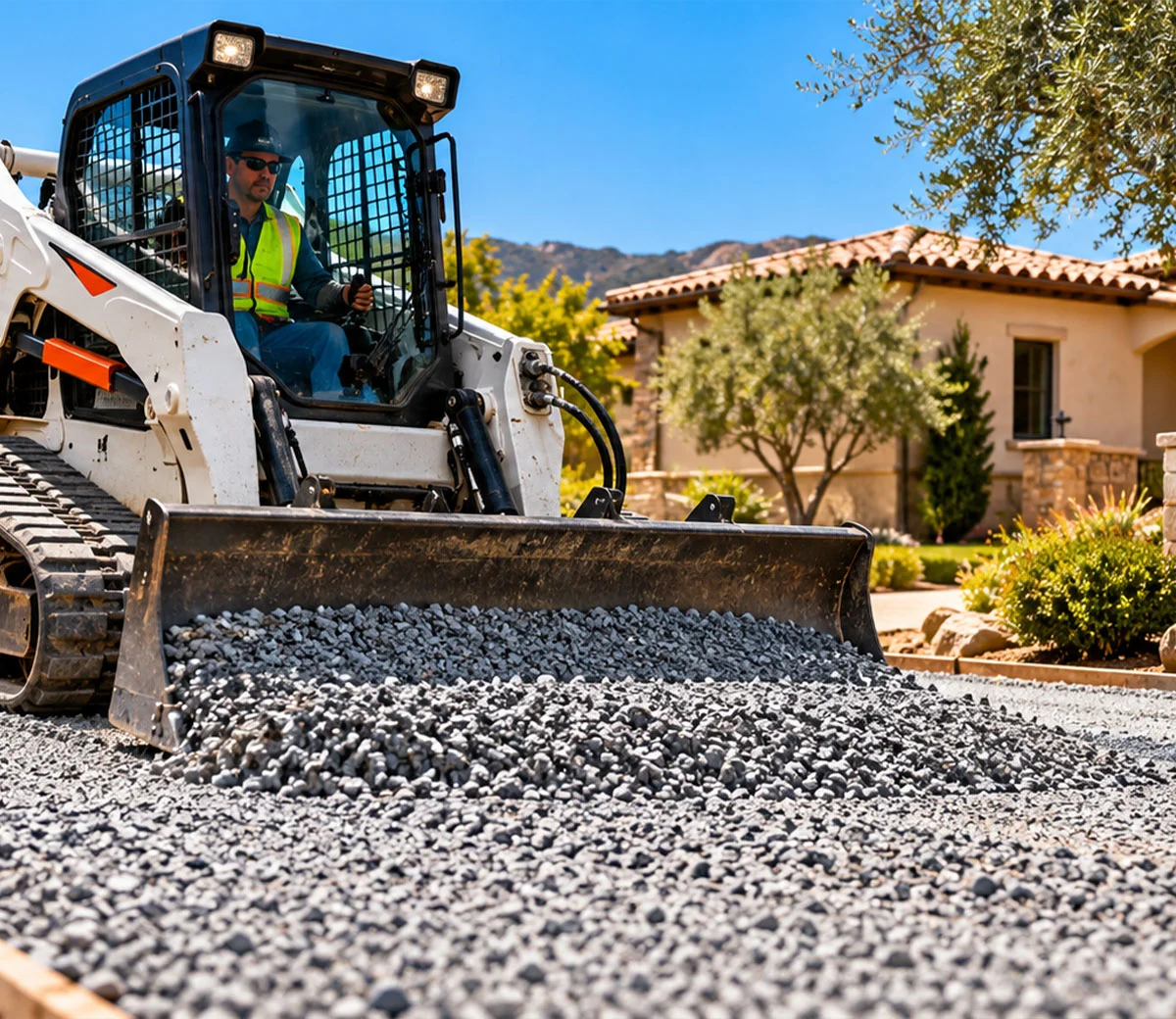
Gravel is commonly used for driveways, private roads, parking areas, pathways, and other outdoor surfaces. We help distribute gravel across designated areas to establish more consistent coverage and prepare the surface for its intended use.
Fill Dirt Spreading
Construction and property improvement projects often require soil to be redistributed to fill low areas or establish planned elevations. We help spread suitable fill dirt according to project needs and site conditions.
Crushed Rock and Aggregate Spreading
Crushed rock and aggregate materials are frequently used as base layers for driveways, roads, building areas, and hardscape improvements. Proper distribution helps prepare these surfaces for additional grading and compaction where required.
Driveway Material Spreading
Whether you're refreshing an existing gravel driveway or preparing a new access route, material spreading helps establish the desired coverage and surface profile.
Private Road and Access Route Improvements
Long driveways, ranch roads, and rural access routes can develop ruts, low spots, and uneven surfaces over time. Spreading suitable materials can be an important part of improving these areas when combined with appropriate grading and drainage work.
Construction Site Material Distribution
Building pads, work areas, and construction access routes may require fill, gravel, or aggregate to be placed across designated sections of the property. We help distribute materials in preparation for subsequent construction activities.
Southern California Properties Have Different Material Needs
Southern California's landscape includes everything from relatively flat residential lots to rolling hills, rural acreage, and rocky foothill properties.
Each setting creates different challenges for material spreading.
A suburban homeowner may need gravel distributed across a short driveway, while a rural property owner may need crushed rock placed along a lengthy private access road.
Construction projects may require fill dirt spread over a large area, while landscape improvements may involve smaller sections with limited equipment access.
Soil characteristics also influence how materials perform.
Sandy soils, clay-rich ground, loose fill, and rocky terrain can require different preparation methods before additional material is placed.
At United Demolition and Hauling, we believe successful material spreading begins with understanding the property and the intended use of the finished area.
By considering terrain, drainage, access, and material type, property owners can make better decisions about their improvements.
Gravel and Aggregate: More Than Just a Surface Layer
Gravel and crushed aggregate are popular materials for Southern California driveways, private roads, and construction access areas.
They're versatile, widely available, and useful in many different applications.
However, choosing the right material is important.
Decorative gravel, crushed aggregate base, and larger rock products serve different purposes.
For example, an aggregate base designed for compaction may be more suitable beneath certain paved surfaces than loose decorative stone.
Likewise, a frequently traveled driveway may require different material specifications and preparation than a lightly used garden path.
The appropriate material depends on expected loads, existing soil conditions, drainage requirements, and the project's design.
United Demolition and Hauling can help with the spreading and placement portion of the project, while material selection and engineered specifications should be established according to the intended application.
Material Spreading for Driveways and Private Roads
Driveways and access roads are among the most common places where material spreading can make a noticeable difference.
Over time, gravel surfaces may develop ruts, displaced material, washouts, or uneven areas due to traffic and stormwater runoff.
Adding and spreading appropriate material can help restore coverage and improve the surface when underlying conditions are suitable.
For more extensive damage, the road may also require reshaping, drainage corrections, removal of unsuitable material, or compaction.
Long rural driveways and private roads present additional challenges because of their length, slopes, and equipment access.
At United Demolition and Hauling, our goal is to help property owners approach these improvements with practical solutions suited to their specific conditions.
Material Spreading After Demolition and Excavation
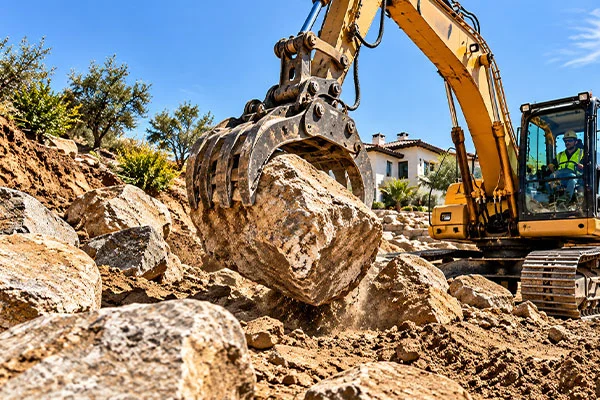
Once demolition or excavation is complete, a property may be left with uneven ground, disturbed soil, or areas that require additional fill.
Material spreading can help prepare these areas for the next phase.
For example, after removing an old concrete patio or driveway, suitable material may need to be placed to establish the elevations required for a replacement surface.
A building site may require approved fill to be distributed before further grading and compaction.
A cleared property may need existing soil redistributed to create more manageable contours.
In each situation, material spreading is one step in a larger site preparation process.
Combining the right material with appropriate grading and compaction requirements helps establish conditions suited to future improvements.
Understanding the Material Spreading Process
Every property is different, but professional material spreading generally follows several important stages.
1. Evaluating the Work Area
The process begins with understanding the property's terrain, access conditions, drainage considerations, and intended use.
2. Identifying the Material
The type of material—such as fill dirt, gravel, crushed rock, or aggregate—helps determine the appropriate placement approach.
3. Estimating Coverage Requirements
The area to be covered and desired material depth help establish the approximate quantity required. Material compaction and settlement may affect the final volume needed.
4. Preparing the Site
Depending on conditions, vegetation, debris, unsuitable soil, or other obstacles may need to be removed before spreading begins.
5. Distributing the Material
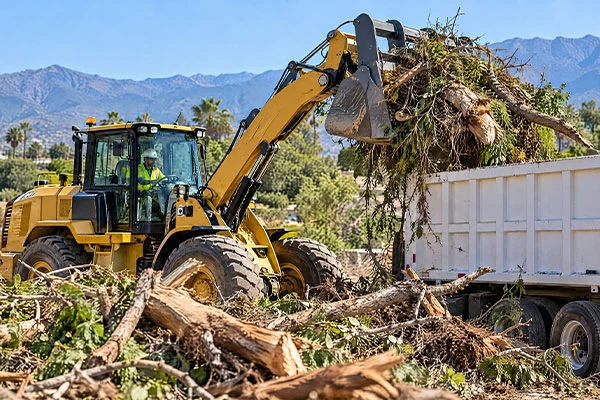
Equipment is used to move and spread the material across the designated area, following the intended coverage and general elevations.
6. Refining the Surface
Additional grading, shaping, or compaction may be needed depending on the project's specifications and the desired finished condition.
The exact sequence depends on the material, property conditions, and agreed scope of work.
Material Spreading and Grading: What's the Difference?
Material spreading and grading often work together, but they aren't exactly the same service.
Material spreading focuses on distributing soil, gravel, rock, or aggregate across a designated area.
Grading focuses on shaping the ground to achieve planned elevations, slopes, and surface contours.
For example, spreading gravel across a driveway provides coverage, while grading helps establish the driveway's profile and drainage characteristics.
Some projects require only basic spreading. Others need rough grading, finish grading, and compaction to achieve the intended result.
Understanding the difference helps property owners choose the appropriate services for their projects.
Getting the Most From Your Material Delivery
One of the best ways to simplify a material spreading project is to plan ahead before the material arrives.
A large pile of gravel placed in the wrong location can create unnecessary handling work.
Likewise, material delivered to an area with limited equipment access may be more difficult to distribute efficiently.
Important considerations include the delivery location, quantity, material type, available working space, and final placement requirements.
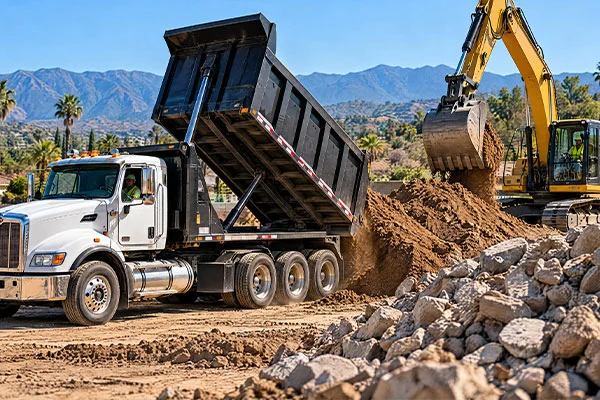
For projects involving both material delivery and spreading, coordinating these activities can help reduce unnecessary material movement.
United Demolition and Hauling offers related hauling and delivery services, making it convenient to discuss transportation and placement needs together.
Small Improvements Can Make a Big Difference
Not every property improvement requires major construction.
Sometimes distributing gravel across a driveway, filling a low area with suitable soil, or spreading aggregate over a designated work area can make a property more functional.
For larger projects, material spreading can be an important part of preparing land for construction, road improvements, or landscaping.
At United Demolition and Hauling, we understand that every project has its own priorities.
Whether your goal is improved access, better material distribution, or preparation for future work, we're ready to discuss practical options for your property.
Let's Put Your Materials to Work
A pile of dirt, gravel, or rock is just the beginning.
What matters is how those materials are used to improve your property.
At United Demolition and Hauling, we help Southern California homeowners, contractors, and landowners turn bulk materials into practical improvements through professional material spreading services.
From gravel driveways and rural access roads to construction sites and property preparation, we're here to help move your project forward.
Let's Spread the Materials and Make Every Load Count.
Contact United Demolition and Hauling today to discuss your material spreading needs and request an estimate.
Together, we'll help prepare your property for whatever comes next.
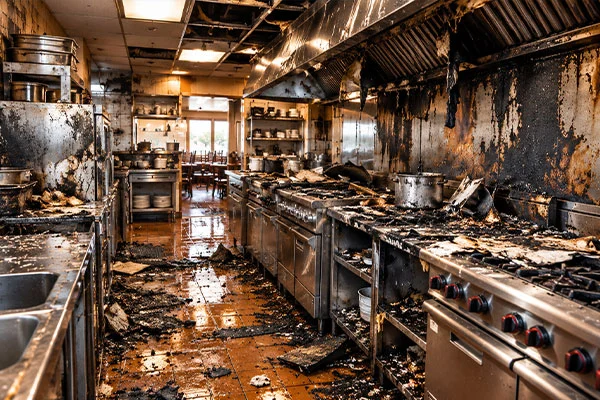
Beyond the visible fire damage, property owners may face smoke contamination, soot residue, water damage from firefighting efforts, structural concerns, and piles of damaged materials that need to be addressed before repairs can begin.
Every construction, demolition, and property improvement project depends on getting the right materials where they need to go—and removing the ones that no longer belong
We have established ourselves as a Trusted Partner.
With a strong commitment to safety, efficiency, and environmental resposibility, we have establishe ourselves as a trusted parter in the construction and renovation industry.