
Snow Removal
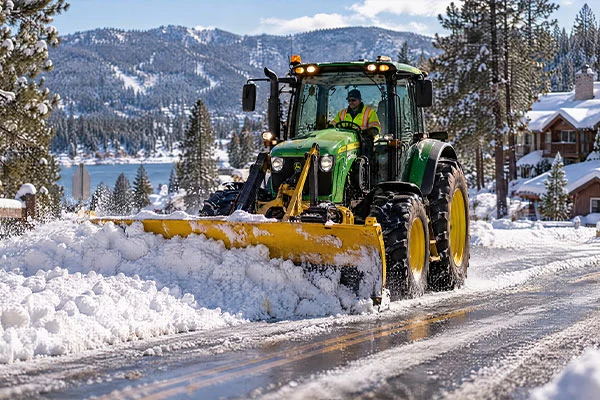
When snow begins falling in higher elevations, beautiful mountain landscapes can quickly become challenging places to navigate.
Snow Removal
A well-maintained road does more than get you from one place to another. It connects your property to everyday life. Whether you're driving home after a long day, delivering supplies to a ranch, accessing a construction site, or maintaining roads throughout a private community, dependable access matters. But Southern California's weather, terrain, and everyday vehicle traffic can take a toll on private roads and unpaved driveways.
Potholes develop. Gravel shifts. Heavy rains create ruts and washouts. Drainage problems turn once-smooth surfaces into rough, uneven roads. At United Demolition and Hauling, we help Southern California homeowners, ranch owners, property managers, and contractors maintain their private roads, driveways, and access routes through professional grading, material spreading, vegetation clearing, and related property maintenance services. From short residential gravel driveways to lengthy rural access roads, our focus is on helping you maintain practical, usable routes that support your property's everyday needs.
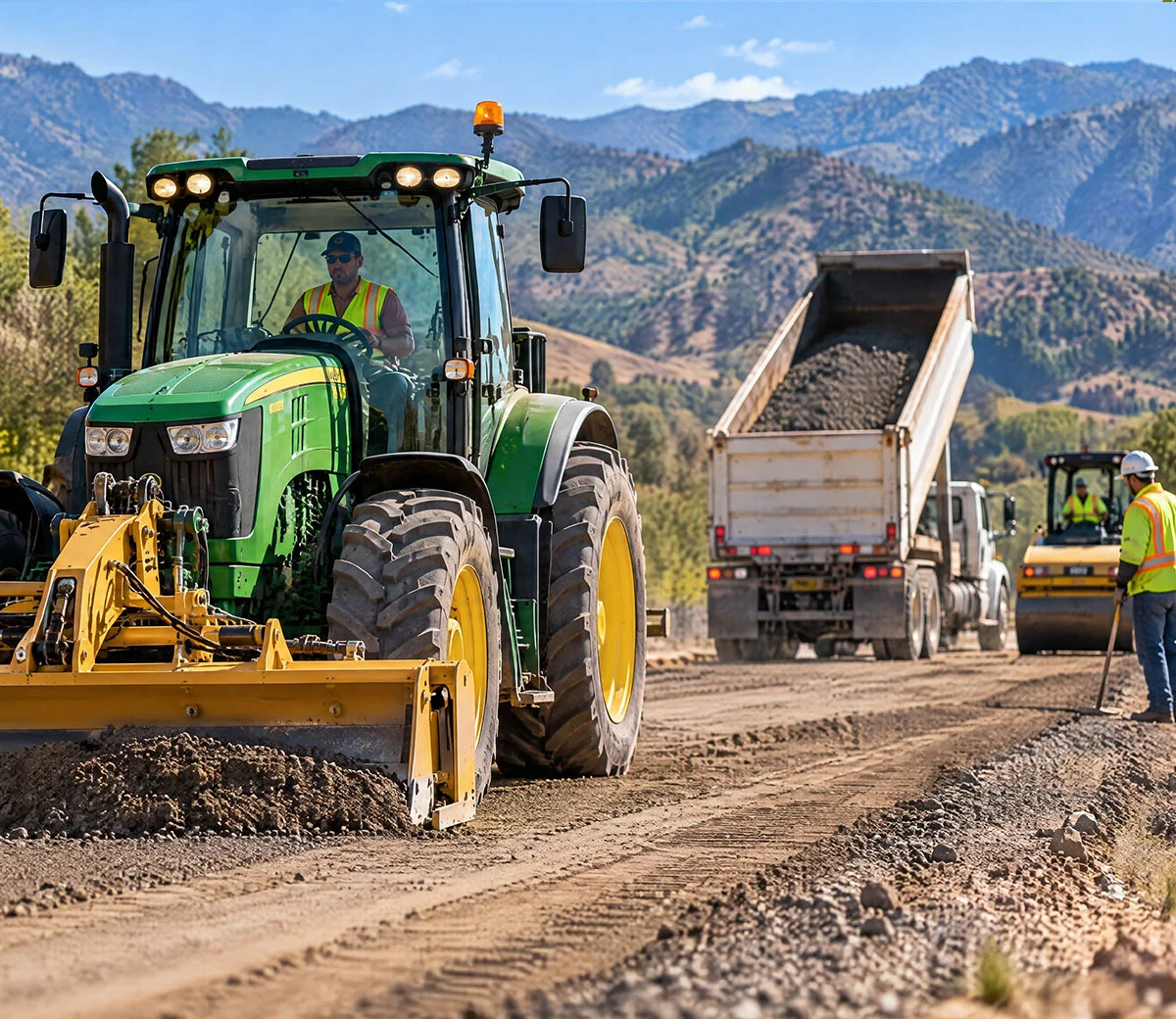
Private roads experience constant wear. Every passing vehicle places pressure on the road surface. Rainwater moves loose soil and gravel. Repeated traffic creates depressions, and poorly directed runoff can gradually erode road edges. What begins as a small pothole or shallow rut can eventually become a more significant maintenance concern. Without attention, damaged areas may continue to deteriorate, especially during seasonal storms.
Professional road maintenance helps address these problems by restoring surface conditions, improving drainage, and redistributing or replacing suitable road materials. At United Demolition and Hauling, we understand that every property has different access requirements. A residential driveway used by passenger vehicles has different needs than a ranch road supporting horse trailers, delivery trucks, and agricultural equipment. Our approach begins with understanding how the road is used and what improvements are needed.
Private Road Grading
Uneven roads can develop washboarding, ruts, depressions, and displaced material over time. Grading helps reshape the road surface to improve its profile and prepare it for continued use.
Gravel Driveway Maintenance
Gravel driveways often require periodic attention as traffic and weather redistribute loose material. We help spread and reshape suitable gravel to restore more consistent coverage and address uneven areas.
Pothole and Rut Repair
Potholes and ruts can make driving uncomfortable and may contribute to further surface deterioration. Depending on the underlying conditions, repairs may involve removing unsuitable material, adding approved fill or aggregate, and reshaping affected areas.
Road Base and Aggregate Spreading
A suitable road base is important for supporting traffic and maintaining surface stability. We help distribute crushed aggregate, gravel, and other specified materials across designated roads and access routes.
Drainage and Roadside Maintenance
Standing water and uncontrolled runoff can damage unpaved roads. We help address appropriate surface grading, roadside debris removal, and maintenance of existing drainage paths to support better water movement.
Rural and Ranch Access Road Maintenance
Long private roads serving ranches, horse properties, orchards, and rural homes often require specialized attention because of their terrain, traffic, and length. We help maintain these access routes through grading, material spreading, and clearing services.
Storm Damage and Washout Cleanup
Heavy rain can deposit sediment, rocks, and debris across roads or erode portions of an unpaved surface. We help remove suitable storm debris and prepare damaged sections for appropriate repairs.
Southern California's landscape offers beautiful scenery, but its climate and terrain create distinct road maintenance challenges.
From rolling foothills and rural valleys to mountain communities and expansive agricultural properties, unpaved roads experience a variety of conditions.
Seasonal Rain and Runoff
Although much of Southern California experiences long dry periods, winter storms can deliver substantial rainfall in a relatively short time.
Water flowing across unpaved roads may create ruts, displace gravel, or wash away supporting soil.
Dry Soil and Dust
During hot, dry weather, loose road surfaces can generate dust and develop washboarding under repeated traffic.
Proper surface preparation and appropriate materials can help improve road performance.
Sloped and Hillside Terrain
Private roads on hillsides may be vulnerable to erosion, especially where runoff concentrates along steep sections.
Maintaining the road's profile and drainage features is important for managing water movement.
Heavy Vehicle Traffic
Ranch equipment, horse trailers, construction vehicles, and delivery trucks can place substantial loads on private roads.
Road materials and maintenance methods should be selected with anticipated traffic in mind.
At United Demolition and Hauling, we recognize that successful road maintenance requires attention to the property's terrain, existing materials, drainage, and intended use.
Gravel driveways are popular throughout Southern California, especially on larger residential properties, ranches, and rural acreage.
They offer a practical alternative to paved surfaces in many settings, but they still require maintenance.
Over time, gravel can migrate toward road edges or collect in uneven areas.
Vehicle traffic may create wheel-track depressions, while rainwater can wash finer materials downhill.
Simply adding more gravel doesn't always solve the problem.
If the underlying road surface is poorly shaped or contains unstable material, additional gravel may quickly become displaced.
Depending on the conditions, proper maintenance may involve reshaping the existing surface, correcting low spots, adding suitable aggregate, and compacting the material where required.
Our goal is to help property owners identify practical improvements rather than simply covering existing problems.
Unpaved roads commonly develop several recognizable surface problems.
Potholes form when material becomes displaced or weakened, often because of repeated traffic and moisture.
Ruts develop when vehicle wheels repeatedly travel along the same paths, particularly where the surface or underlying base lacks adequate support.
Washboarding creates a series of closely spaced ridges across the driving surface, often associated with traffic and loose granular material.
Each problem can have different contributing causes.
While surface grading may improve the appearance and smoothness of a road, recurring problems can indicate issues with drainage, material quality, compaction, or the underlying base.
Effective maintenance should consider those conditions before selecting the repair method.
Water is one of the biggest challenges facing unpaved roads.
When rainwater remains on the driving surface or flows along uncontrolled paths, it can soften underlying materials, displace gravel, and contribute to erosion.
Good road drainage depends on several factors, including the road's slope, cross-sectional shape, surrounding terrain, and existing drainage features.
Depending on the road design, water may be directed toward appropriate roadside drainage areas or through designated drainage structures.
Maintenance can include removing accumulated sediment, clearing debris from existing drainage paths, and reshaping suitable surface areas according to the intended drainage plan.
Major drainage modifications, culvert installations, or work affecting regulated waterways may require professional design and local approvals.
At United Demolition and Hauling, we understand that maintaining the road surface and addressing drainage concerns often go hand in hand.
Ranches and equestrian properties often depend on private roads for everyday operations.
Horse trailers, feed deliveries, tractors, maintenance vehicles, and personal transportation all rely on accessible routes.
These properties may have long driveways, internal access roads, barn approaches, and pathways connecting separate facilities.
Heavy traffic and seasonal weather can gradually affect these surfaces.
Grading and material spreading can help address uneven conditions, while vegetation clearing may improve access along road edges.
For horse properties, work should be coordinated to keep animals away from active equipment operations and to maintain safe access to essential facilities.
United Demolition and Hauling offers related horse property maintenance services that can complement private road improvements.
Some residential communities rely on privately maintained roads and shared access routes.
Depending on the property's ownership and governing documents, responsibility for maintenance may fall to an HOA, road association, individual owners, or another private entity.
These roads can experience substantial wear because they serve multiple households and frequent deliveries.
Routine maintenance may include grading, filling localized depressions, redistributing gravel, clearing roadside vegetation, and removing storm debris.
For community roads, clearly defining the project scope and coordinating access requirements helps minimize disruption.
United Demolition and Hauling can discuss appropriate grading and property maintenance needs with HOA boards, property managers, and other authorized representatives.
Heavy rainstorms can cause significant damage to unpaved roads, particularly on steep or exposed properties.
Stormwater may create deep ruts, deposit rocks and sediment, or wash away sections of the road surface.
In some cases, the road may also experience undermining, slope movement, or failure of a drainage structure.
These conditions require different levels of response.
Accessible loose debris and surface sediment may be suitable for equipment-based cleanup.
However, severe washouts, unstable slopes, damaged culverts, or compromised road foundations should be evaluated by appropriately qualified professionals before vehicles or heavy equipment use the affected area.
Once the underlying conditions are understood, the appropriate grading, material placement, and repairs can be planned.
Every road has its own challenges, but a typical maintenance project follows several important steps.
1. Evaluating the Road Conditions
We begin by reviewing the road's surface, existing material, terrain, drainage patterns, and visible areas of deterioration.
2. Understanding Traffic and Access Needs
The types of vehicles using the road, expected traffic, and access requirements help establish practical maintenance priorities.
3. Identifying Problem Areas
Ruts, potholes, soft spots, eroded edges, sediment deposits, and other surface concerns are identified.
4. Planning the Maintenance Work
The proposed work may include grading, removal of unsuitable material, aggregate spreading, drainage clearing, or other agreed improvements.
5. Performing Surface Repairs
Appropriate equipment is used to reshape designated areas and distribute approved materials according to the project scope.
6. Addressing Finishing Requirements
Where required, additional grading and compaction may be performed to establish the intended finished surface.
7. Reviewing Ongoing Maintenance Needs
After the project, property owners can assess whether periodic inspections, additional material, or future drainage improvements may be beneficial.
The exact process depends on the road's condition, intended use, and agreed scope of work.
Not every rough road needs to be completely rebuilt.
Some roads simply require periodic grading and redistribution of existing material.
Others may need fresh gravel, localized repairs, or drainage maintenance.
More serious problems, such as widespread base failure, severe erosion, or unstable slopes, may require extensive reconstruction or engineering review.
Understanding the difference can help property owners prioritize work and make informed decisions about their maintenance budgets.
At United Demolition and Hauling, we focus on discussing practical grading and material-handling solutions suited to the visible conditions and project requirements.
Private roads are easy to overlook when they're functioning properly.
But small surface problems often become more noticeable with continued traffic and changing weather.
Periodic inspections can help property owners identify developing ruts, drainage obstructions, and areas where material is becoming displaced.
Addressing these concerns early may help reduce the extent of future repairs.
For larger rural properties, maintaining usable roads also supports access for deliveries, property upkeep, and routine operations.
A well-maintained road is an investment in the everyday functionality of your land.
Whether you're maintaining a residential gravel driveway, improving a ranch access road, or addressing deteriorated roads throughout a larger property, dependable access matters.
At United Demolition and Hauling, we help Southern California homeowners, ranch owners, property managers, and contractors address their private road maintenance needs through grading, material spreading, debris removal, and related property improvement services.
From smoothing rough surfaces to preparing roads for fresh aggregate, we're here to help you move forward.
Smoother Roads. Better Access. More Miles Ahead.
Contact United Demolition and Hauling today to discuss your road maintenance project and request an estimate.
Together, we'll help keep your property connected and your roads ready for the journey ahead.
Ongoing maintenance for residential, commercial areas needing to be maintained.
When snow begins falling in higher elevations, beautiful mountain landscapes can quickly become challenging places to navigate.
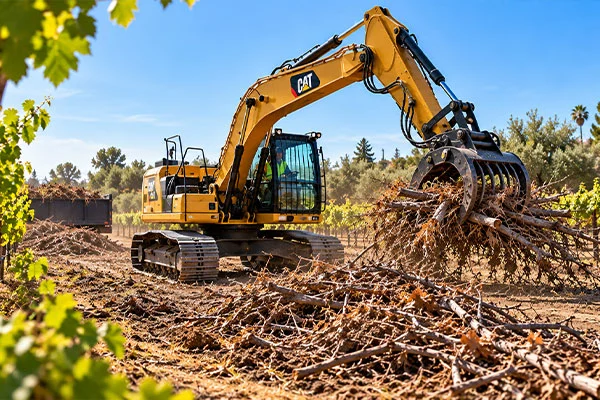
A vineyard or orchard represents more than rows of vines and trees. It's an investment in your land, a connection to Southern California's agricultural heritage, and a property filled with possibilities.
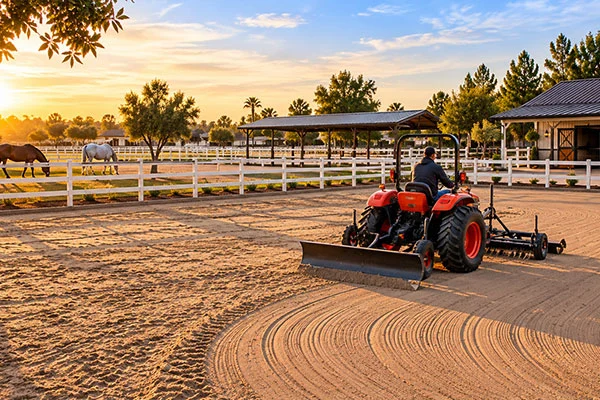
Owning a horse property is about more than having room to ride. It's about creating an environment where horses can move comfortably, facilities remain accessible, and the land is maintained for everyday use.
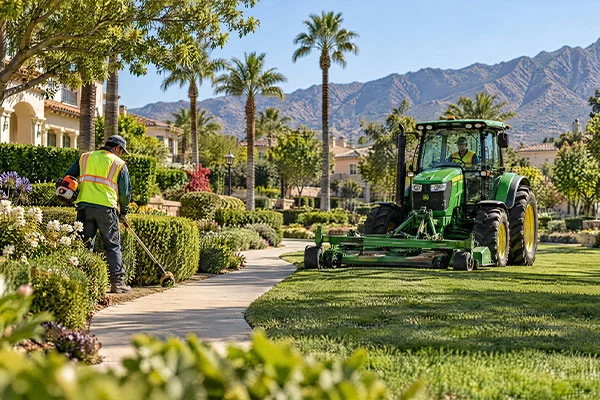
A great neighborhood is about more than beautiful homes. It's also about the shared spaces that bring a community together.
With a strong commitment to safety, efficiency, and environmental resposibility, we have establishe ourselves as a trusted parter in the construction and renovation industry.
When it comes to your important project, rest assured that we are fully licensed and insured to perform our work.
Our BuildZoom high score of 93 ranks us in the top 27% of 336,931 California licensed contractors.
United Demolition and Hauling offers you a competely, free -- No Pressure Quote for your project.
All-in pricing shown upfront. Custom quotes are created and everything itemized before you confirm.